
“Your Tests Are Normal.” — So Why Do You Still Feel Off?
Jan 06,2026 | Lush-Farm
The Page the Doctor Never Told Me About:
I Found Another Way in My Grandmother’s Old Wooden Chest 🌿
The doctor pushed the test report toward me and said something I will never forget for the rest of my life.
“It’s not a disease that will kill you right away, but you’ll have to get used to it.”
He said it very calmly, as if he were trying to comfort me.
I nodded, but suddenly realized something—
This might be the only answer there was.
Not a solution,
but coexistence.
The problem was never sudden.
First, it was sleep.
Not staying up all night unable to sleep, but waking up before dawn with my mind unusually clear.
Then, anxiety.
There was no specific reason, yet I could never truly relax.
Later, digestion.
I didn’t eat much, but it always felt like my body was protesting.
The doctor was very professional.
Tests were done again and again, and the numbers were “within an acceptable range.”
So the ending of every follow-up appointment always landed on the same sentence:
“Let’s observe for now.”
I slowly came to realize—
I wasn’t being ignored.
I was simply being placed into a long-term management state.
Medication started to increase.
The symptoms were pressed down, but I was becoming less and less like myself.
The year my grandmother passed away, I went back to my hometown.
While sorting through her belongings, most things felt familiar.
Until I saw an unremarkable wooden chest under the bed.
It was old,
and the wood had been polished glossy by time.
I opened it. Inside were compartments separated one by one,
and in each compartment was a different kind of herbal seed.
There was no instruction manual,
only handwritten labels:
“For when you can’t sleep.”
“For an upset stomach.”
“For when you’re irritated and don’t want to talk.”
At the bottom of the chest, there was a yellowed piece of paper pressed down.
There was only one sentence:
“The body remembers things earlier than doctors do.”
In that moment, I suddenly realized—
My grandmother rarely went to the hospital in her life,
yet she always knew how to take care of herself.
Not because she understood medicine,
but because she listened to her body’s responses every day.
I did not make any extreme changes right away.
I didn’t stop taking medication,
and I didn’t deny modern medicine.
I simply began to slow my rhythm down.
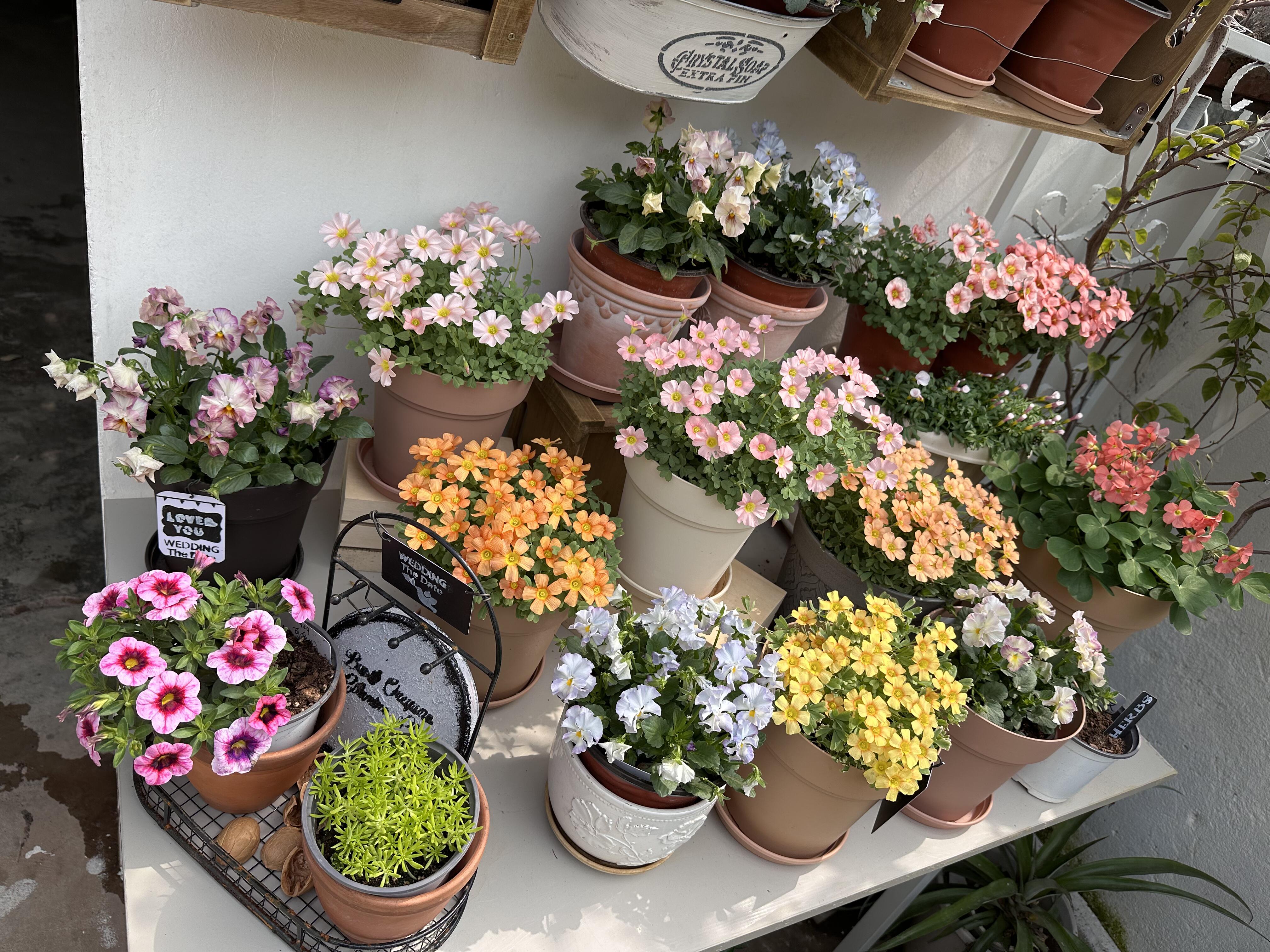
I chose a few herbs and planted them by the window.
Every day, I spent a little time taking care of them.
Not for the effect,
but to give myself a reason I had to slow down.
The change didn’t happen immediately.
But after a few weeks, I noticed some small things:
My sleep started to become deeper.
My emotions became steadier.
On some mornings, for the first time, I didn’t immediately think, “What medicine do I need to take?”
Later, I realized that what I truly changed was not my body, but the way I lived with it.
Later, I discovered that now, some people have taken this way of “organizing herbs in compartments and tending them slowly,”
and reorganized it into a form that fits modern life better.
It is not superstition,
and it is not a replacement for medical care,
but a method of rebuilding a daily conversation.
A lot of people asked me whether I was “returning to tradition.”
But I never saw it that way.
I didn’t go back to the past.
I simply discovered—
We are moving too fast.
So fast that we forget the body has always known how to recover slowly.
Some kinds of health
do not come from a single pill,
but from whether you are willing, every day, to stop,
and listen to what your body is saying.
- Inside the chest are small, organized compartments — one for each herb variety.
- You choose a few herbs that fit your space and season (windowsill, balcony, patio, or garden).
- You plant, water, and observe. The point isn’t speed — it’s consistency.
- Over time, your “routine” becomes visible: green leaves you helped bring into the world.
- A reason to slow down every morning — even for five minutes.
- A “reset button” that didn’t involve a screen.
- A reminder that health isn’t only something you track — it’s something you practice.
Later, I replaced my grandmother’s “old-wooden-chest” way of organizing herbs with a version that fits today’s pace of life better.
It is not for treating illness,
but to remind me to slow down.
It’s a clearly organized herbal seed chest, containing 40 medicinal herb seeds. Each one can become a starting point in daily life for rebuilding your rhythm.
I don’t use them every single day. But having them there is like having a choice.
A choice not to rush to “solve,”
but to learn how to care first.
If you’re also in that stage where “the tests say nothing is wrong, but your body still feels off,” then maybe you’ll understand why a beginning like this can matter.




If you’re curious about bringing a gentler, more natural rhythm into your daily life, a well-organized herbal seed chest can be a meaningful place to begin.
It’s a simple invitation to slow down, reconnect, and cultivate a healthier, more mindful way of living.
Learn more about the herbal seed chest →